Automated Fluid Management


Why automate?
Non-automated metalworking fluid management can quickly lead to problems in day-to-day production:
An unstable or poorly monitored metalworking fluid concentration can lead to a range of problems in day-to-day production:
As a specialized provider of metalworking fluid management solutions, RHOBA-Chemie offers intelligent systems for automated fluid management and controlled, long-term metalworking fluid maintenance.
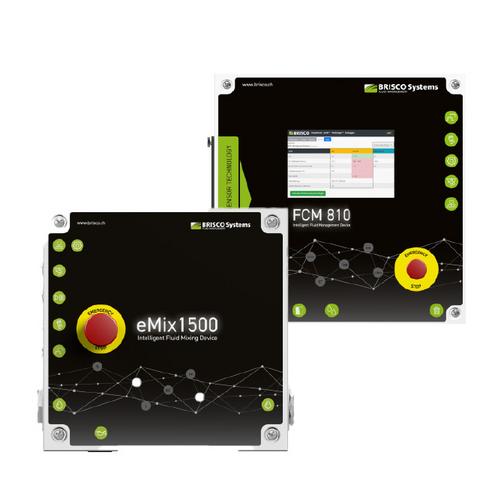
Our smart systems help keep your metalworking fluids stable, automatically controlled and consistently monitored – without the need for manual intervention. Instead of time-consuming manual measurements and reactive adjustments, our intelligent system continuously monitors and regulates your metalworking fluid processes.
1. Automated Real-Time Data Collection
The system continuously monitors all relevant parameters of your metalworking fluids, including:
This gives you a complete and up-to-date overview of the condition of your metalworking fluids at all times.
2. Intelligent Analysis and Limit Monitoring
Predefined limits allow the system to detect deviations at an early stage, before they can negatively affect production, tools or machines. This turns reactive intervention into proactive process control.
3. Automatic Replenishment
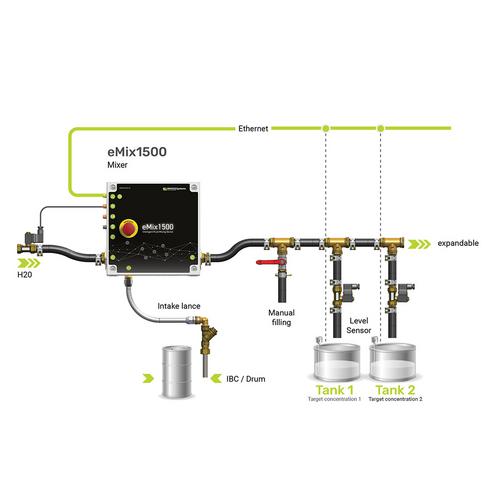
As soon as the system detects a deviation, it automatically calculates the required amount of concentrate and doses it accordingly. This helps prevent mixing errors, keeps the concentration stable and makes the overall process more efficient and reliable.
Use our metalworking fluid management calculator to quickly and easily estimate your individual savings potential. Simply enter the key details of your production process and receive a detailed calculation within seconds. This gives you a clear overview of how much you could save each year with our intelligent fluid management system.
Metalworking fluid should be mixed according to the manufacturer's specifications by adding the concentrate to water. This helps prevent instability in the mixture. Errors during the mixing process can negatively affect emulsion stability.
RHOBA-Chemie's system automates this process, calculates the required dosage and maintains a consistent mixture.
The optimal concentration depends on the material, machining process and metalworking fluid used. It is often in the range of 5% to 10%. More important than a fixed value is maintaining a stable concentration without significant fluctuations.
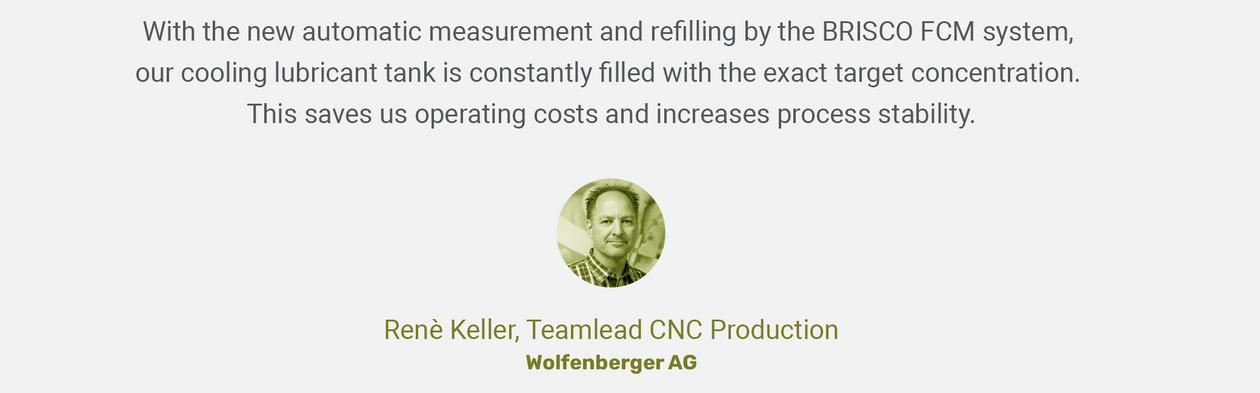
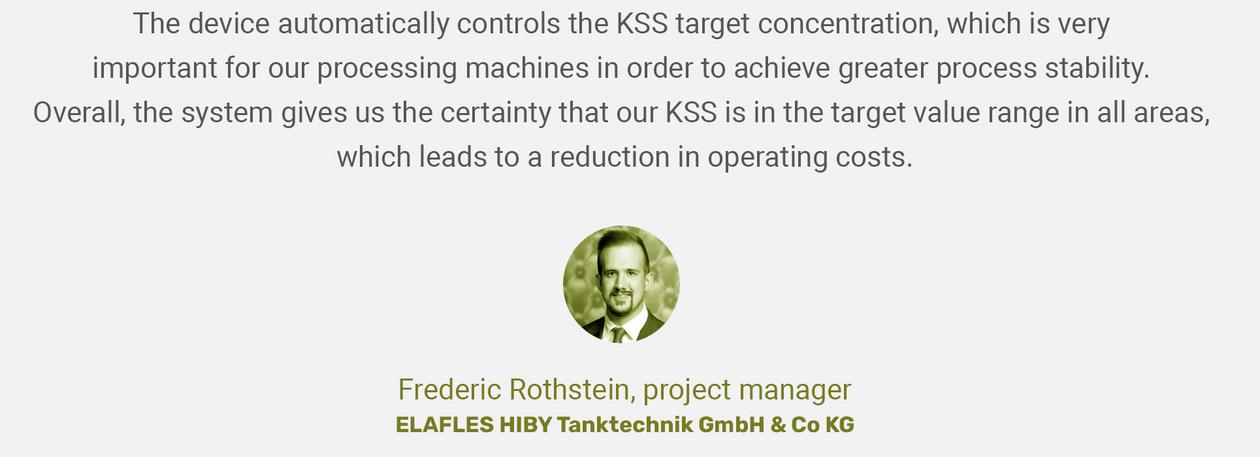
RHOBA-Chemie's fluid management system keeps the concentration within the defined target range and helps prevent over- or under-dosing.
Depending on maintenance and operating conditions, metalworking fluids can remain in use for several weeks to several months. Stable concentration levels and controlled water quality are key factors in extending fluid service life.
RHOBA-Chemie's fluid management system helps maintain a consistent concentration and can support longer service life for machines and tools.
Inspection intervals depend on the application, operating conditions and machine environment. Manual checks are typically carried out weekly to monthly, supplemented by complete fluid changes at appropriate intervals.
RHOBA-Chemie's fluid management system can significantly reduce the need for manual routine checks by continuously monitoring relevant parameters and automatically correcting deviations.
Foaming can be caused by incorrect concentration, unsuitable water hardness, contamination or unfavorable circulation conditions.
Continuous monitoring by RHOBA-Chemie's system can help identify such causes at an early stage and stabilize the process automatically.
Unpleasant odors are often caused by microbial growth, incorrect concentration or inadequate system maintenance.
Automated fluid management helps control these factors through continuous monitoring and adjustment, supporting stable fluid conditions and reducing the risk of microbial contamination.
Important factors include regular checks, maintaining the correct concentration, hygienic system management and preventing contamination. Appropriate occupational health and safety measures for employees must also be observed.
RHOBA-Chemie's fluid management system supports these requirements through continuous monitoring and automated adjustment, helping to reduce manual effort.