Surface Treatment with Specialized Chemicals


Efficient Surface Treatment Starts with the Right Chemistry
Surface treatment is an important process in industrial manufacturing. It has a direct impact on how reliably components can be coated, bonded or processed in subsequent production steps.
In particular, chemical surface treatment prior to coating or further processing can influence coating adhesion, corrosion protection and process stability. Deficiencies at this stage can result in rejects, rework and inconsistent production processes.
RHOBA-Chemie develops specialized chemicals for industrial surface treatment, designed to support and optimize existing processes and meet specific production requirements.
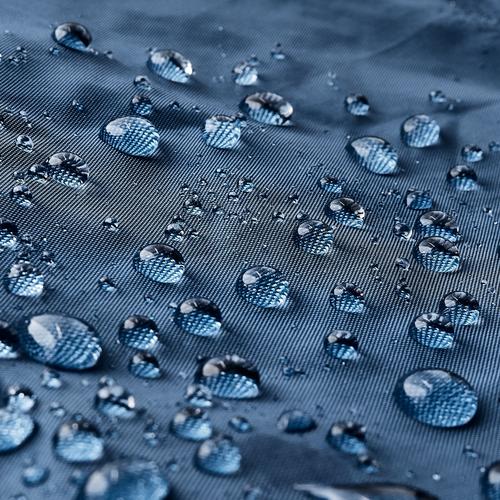
Using specialized chemicals for chemical surface treatment can provide clear benefits for industrial processes:
Cleaning, degreasing, pickling and activation form the basis of effective chemical surface treatment. The aim is to create a clean, defined and reactive surface for subsequent process steps such as coating or bonding.
For the removal of existing coatings, we provide chemical systems for controlled paint stripping. They support the gentle removal of coatings from components and prepare the surface for subsequent processing and new coating applications.
Processes such as phosphating and passivation create targeted conversion coatings on metal surfaces. These layers improve corrosion protection and provide a suitable foundation for subsequent coating processes, making them an important part of modern industrial surface treatment.
Our chemical solutions support the formation of functional protective coatings on metal, wood and plastic surfaces. In aluminum surface treatment in particular, they help promote reliable adhesion between the substrate and the coating.
Our additives help stabilize surface treatment processes, particularly in the treatment of steel and cast iron. They improve the degreasing of difficult-to-clean surfaces and support process control in immersion and spray applications. They can also be used as evaporation retarders in paint stripping baths.
RHOBA-Chemie develops and supplies process-integrated specialized chemicals for industrial surface treatment, with a focus on practical solutions for demanding production processes:
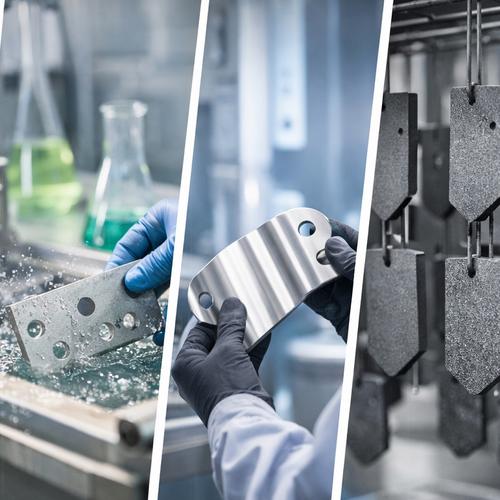
Would you like to optimize your existing surface treatment processes or develop a new solution? Talk to our experts. Together, we assess your current processes and develop a chemical solution tailored to your specific system and requirements.
Chemical surface treatment refers to the targeted modification of a material's outer surface using chemical processes. The aim is to prepare the surface for subsequent processes such as coating, painting or bonding and to create suitable conditions for reliable adhesion and corrosion protection.
A surface treatment process consists of several coordinated steps, which vary depending on the material and application:
1. Cleaning and Degreasing
First, the surface is cleaned of oils, greases, dust and other residues. A clean surface is essential for reliable further processing and consistent adhesion.
2. Pickling and Activation
Existing oxide layers and contaminants are chemically removed during this stage. At the same time, the surface is activated to make it reactive for subsequent treatment steps.
3. Passivation and Corrosion Protection
Passivation creates a thin protective layer on the material surface. This layer helps protect against environmental influences such as moisture and oxygen and can improve corrosion resistance.
4. Phosphating and Conversion Coatings
These processes create a defined conversion layer that can improve the adhesion of subsequent coatings and provide additional corrosion protection.
5. Functional Coating Support
Specialized chemicals can then be used to optimize the interface between the substrate and the coating. They support reliable adhesion of paints, adhesives and functional coatings.
RHOBA-Chemie supports the complete surface treatment process with specialized chemical solutions tailored to the material, application and production conditions. This helps achieve stable and reproducible surface treatment results.